
Beyond the Classroom: Building a Sustainable Learning Culture.
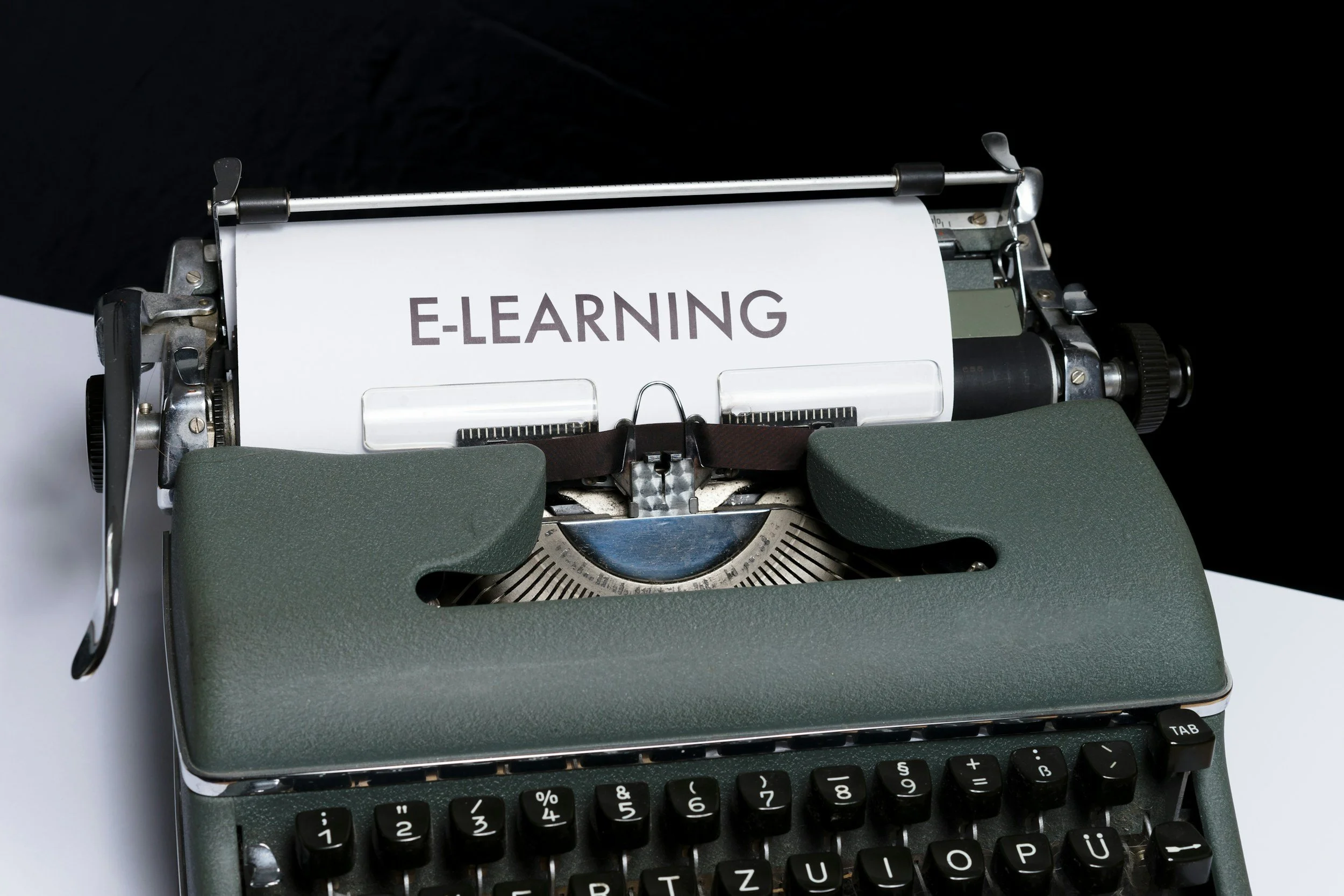
Professional learning is important, this is 4iD’s approach to a sustainable one.
Across the AEC industry, firms continue debating whether professional training is more effective in person or online. As organizations navigate hybrid work environments, distributed teams, and increasingly complex digital workflows, the conversation has become more relevant than ever.
After more than thirteen years teaching software, BIM workflows, and digital practice to both university students and design professionals, Samuel Mikhail, co-founder of 4iD, believes the industry is asking the wrong question.
“I don’t believe the question is whether virtual training is better than classroom training,” Samuel says. “The real question is how organizations can build a learning environment that produces confident professionals, supports project delivery, and continues providing value long after the instructor leaves.”
Effective training shouldn’t be defined by where it happens, but by what happens afterward.
There are undeniable advantages to bringing people together in the same room. Face-to-face conversations happen naturally, questions are often easier to ask, and instructors can quickly identify who needs support. But none of these benefits are exclusive to a physical classroom.
Samuel has delivered live virtual workshops that felt remarkably similar to traditional classrooms because interaction remained at the center of the experience. The location changed, but the learning did not.
People don’t learn because they’re sitting in the same room. They learn because they’re engaged, challenged, supported, and given opportunities to immediately apply what they’ve learned.
Traditional classroom instruction creates collaborative learning environments but often requires employees to step away from project work for several consecutive days. Coordinating schedules can be difficult, and if someone misses a session because of project deadlines or client commitments, their learning is interrupted. Participants are also expected to retain large amounts of information until it’s needed weeks or months later.
Online learning provides greater flexibility. Employees can learn around project schedules, revisit lessons when necessary, and progress at their own pace. However, some professionals miss the collaborative energy of a classroom, while others find it difficult to stay focused amid everyday work demands.
Rather than choosing one approach over the other, Samuel believes organizations should build a sustainable learning culture by combining structured online learning with live mentorship.
This blended model creates a permanent knowledge library that employees can access whenever they need it. Short, searchable lessons are reinforced with knowledge checks, while live mentoring sessions answer project-specific questions and implementation reviews help teams confidently apply what they’ve learned. Instead of becoming a one-time event, training becomes an ongoing organizational resource.
One concern Samuel frequently hears is that employees won’t complete self-paced online training. His response is simple:
“Training isn’t a technology problem. It’s a management problem.”
If an organization allocates thirty hours for professional development but employees never complete the training, the issue isn’t the learning platform. It’s that those thirty hours were never truly protected.
Successful organizations treat professional development like any other critical project. They establish expectations, create accountability, measure progress, and make learning part of their culture instead of treating it as an interruption to work.
As digital practice continues to evolve, so will the way professionals learn.
The firms that will thrive won’t necessarily be those that invest the most in training. They’ll be the ones that build sustainable learning systems that continue developing their people long after the initial course has ended.
The future of professional training isn’t about replacing classrooms with videos. It’s about combining the strengths of structured online learning, live instructors, and ongoing mentorship to create confident professionals who can apply their knowledge where it matters most, on real projects.